
in an emergency, every second counts, and having quick access to details can make all the difference
I was recently told a story about a terrifying incident involving a missing child on the East Coast. In what seemed like only a blink of an eye, a child predator took advantage of a brief moment of chaos and confusion and abducted a child. His actions were unseen by the crowd, and the initial reaction from responding law enforcement was that there did not seem to be cause for alarm because this child must be a simple runaway. But, the child’s father knew better, and he trusted his instincts.
Local law enforcement responding to the father’s call started in routine fashion with questions as to whether the child wondered off with friends or would have reason to rebelliously runaway. The common assumption in cases in which an abduction is not observed is that the child is not in danger and will, instead, show up in just a matter of time. But, when a child goes missing, time is of the essence. Every second counts! In this case, the boy’s father was able to immediately answer law enforcement’s questions and refute their assumptions; for instance, he had the phone numbers to his son’s friends and called them confirming that assertions of his son running away with friends were incorrect. This man had confirmed information and confident answers—and that put him in a strong position to advocate for his son.
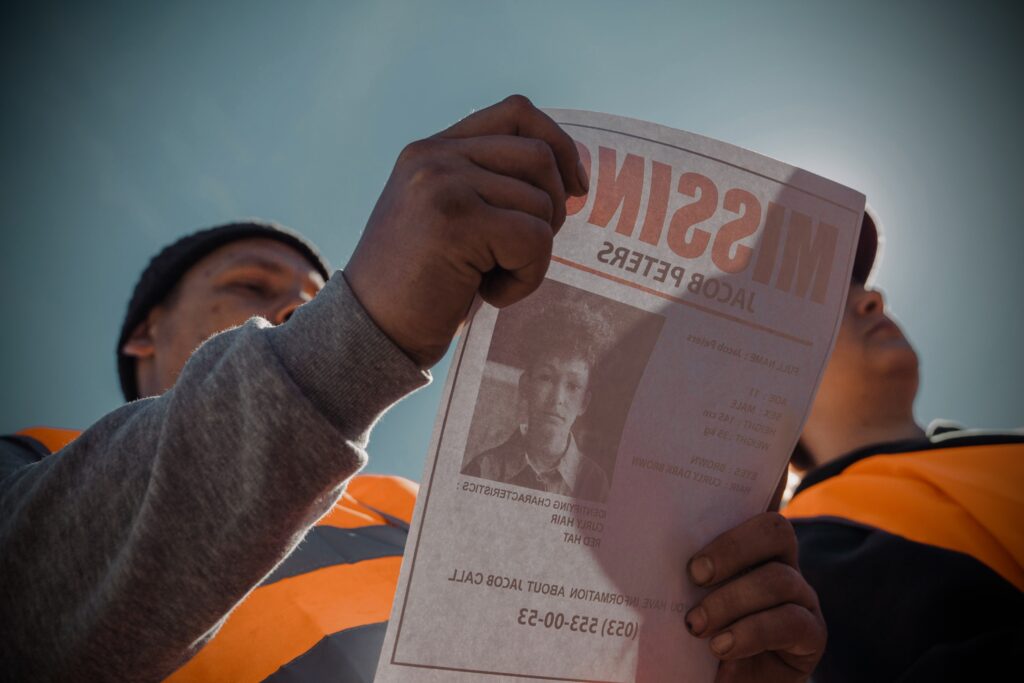
Because of this man’s readiness to refute common assumptions and insistently advocate, law enforcement mobilized. Thankfully, the child was found unharmed 12-hours later, and the perpetrator was arrested. However, what makes this incident so terrifying is that in that 12-hour timeframe, the perpetrator was able to drive that child across 3 states! All indications showed that the perpetrator intended to keep driving, and, if he had been provided with additional time, there is no way of knowing how far he would have gone. In the first 12-hours, the search grid almost became too unreasonably vast. But, again, it was the father’s knowledge of his son and insistence that saved the day.
In a slightly related story, MissingNoMore was recently involved in an out of state incident in which time was limited. We received a call from a desperate family member living in Oklahoma for a teenager missing in Oregon; when MissingNoMore received the call the child had already been missing for over 2-weeks. We immediately began gathering and mobilizing resources while contacting local authorities and personal contacts; still, because of the circumstances, we feared the worst. However, for reasons not based in facts, many assumptions were made by local authorities. The assumptions included: he was a runaway staying with friends despite the fact that he had no local friends or contacts, he was a runaway who traveled (possibly by hitchhiking) to Oklahoma despite the fact that no one in Oklahoma had seen or heard from him in years, and that he was a runaway no longer in the local area. In all the assumptions made, this teenager was designated as a runaway who was not in danger. Our position, on the other hand, is that missing is missing and all missing children are in danger. And, the truth in this case was that the missing teenager was a lonely, isolated, and mentally distressed child who was in imminent need of help.
In the time that he was missing, Oregon experienced severe weather resulting in freezing temperatures and heavy snowfall. Regardless, it is the policy of law enforcement nationwide to not engage (beyond basic protocol) in searches for runaways. Tragically, this case did not end how we hoped. His body was recovered in the local forest with the indication that he took his own life likely on the first day he was reported missing. He needed help the moment he walked out of the front door.
This tragic story should serve as a stark warning that all incidents of missing children are matters of life and death.
When a child goes missing, we must advocate that teams and resources be mobilized to find them and bring home safely; we must advocate with the understanding that in any given incident the consequences of not searching could be dire. And, heaven forbid, if your own child goes missing, we must also be ready to match that advocacy with the knowledge you have of your child.